
LVP and Vinyl Plank Flooring Installation in DeBary, Florida
Homes in DeBary’s Glen Abbey and Saxon Woods neighborhoods, built largely between the late 1970s and 1990s, are reaching the age when original flooring needs replacement. Homeowners updating these established properties and buyers preparing older homes for move-in often discover that installing new vinyl plank flooring involves more than choosing a color. The condition of the existing floor and the concrete slab underneath determines how much preparation the job requires.
DeBary’s humid climate and proximity to the St. Johns River make moisture assessment particularly important before new flooring goes down. An uneven slab can cause floating planks to flex, while excessive moisture can create problems beneath the finished surface. Iron Site Property Services helps homeowners plan LVP and vinyl plank flooring installation around the condition of their property, from removing old materials to finishing the edges and transitions.
Before selecting your flooring, check what is underneath the existing surface and whether the slab is ready for installation. Request a free estimate to discuss your DeBary flooring project.
Why Older DeBary Homes Need Proper Floor Preparation
In Glen Abbey and Saxon Woods, many homes have flooring that has endured decades of Florida heat, humidity, and everyday use. Original ceramic tile, worn carpet, sheet vinyl, and terrazzo can all require different removal methods before new luxury vinyl plank (LVP) flooring can be installed.
Carpet removal may be relatively straightforward, although tack strips, padding, and adhesive residue still need attention. Ceramic tile usually takes more labor because the tile and setting material must be removed. Sheet vinyl may leave adhesive behind, while terrazzo can be difficult and time-consuming to remove because of its hardness.
These differences affect both the estimate and the installation schedule. A room with carpet over a reasonably flat slab requires different preparation than a tiled kitchen with uneven patches and stubborn adhesive.
If you are also updating cabinets, painting walls, or renovating other interior spaces, coordinating the flooring with the rest of the work can reduce disruption. The goal is to prepare the surface properly instead of covering an existing problem with new planks.
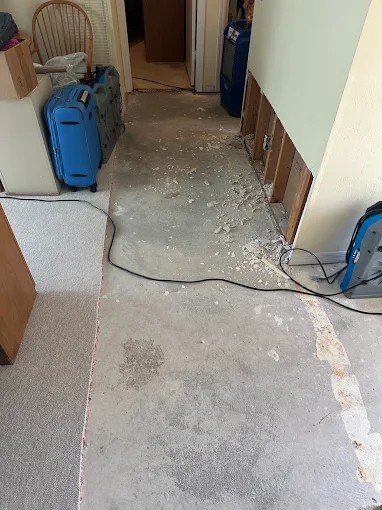
Slab Moisture and Flatness Matter in DeBary
Concrete slab preparation is one of the most important stages of a flooring project in DeBary. Florida’s humid conditions and the moisture exposure common near the St. Johns River make it important to check whether the concrete is suitable for the selected flooring system.
Concrete can release moisture even when its surface appears dry. Excessive moisture can affect adhesives used with glue-down flooring and create problems beneath floating flooring. The slab should be assessed using appropriate moisture testing and the flooring manufacturer’s requirements before installation begins.
If moisture readings exceed the product’s permitted limits, installation should wait until suitable corrective measures have been determined. Depending on the conditions, additional moisture mitigation may be necessary, increasing preparation time and cost.
Flatness is equally important. Dips, ridges, and uneven patches can cause planks to flex, joints to separate, or the finished floor to look inconsistent. These areas should be identified and corrected with appropriate preparation materials before installation.
Skipping these checks can create expensive problems after the new floor is in place. Proper preparation helps establish a suitable surface for the flooring system selected for your home.
Choosing the Right Vinyl Plank Flooring
Glue-down and click-lock floating LVP are two common installation options. The right choice depends on the room, substrate condition, product specifications, and how the space will be used.
Click-lock floating flooring uses interlocking plank edges to create a floor that rests over the prepared surface. It can work well in many bedrooms, living rooms, and other residential spaces. The slab must still meet the product’s flatness and moisture requirements, and the installation must allow the specified expansion gaps around fixed edges.
Glue-down vinyl plank flooring is bonded directly to the prepared substrate with the adhesive specified for the product. It requires careful surface preparation because bumps, ridges, and adhesive irregularities can affect the finished appearance. Moisture conditions and adhesive compatibility must also be checked.
For DeBary rental properties, pay particular attention to the flooring’s wear layer thickness. This protective layer sits above the printed design and helps resist everyday surface wear. Compare the manufacturer’s specifications and intended-use rating rather than choosing a product based on appearance alone.
Your flooring selection should account for the room’s use, the condition of the slab, and the preparation required to install the product correctly.

What Is Included in Vinyl Plank Flooring Installation?
A well-planned installation follows a clear sequence. Each stage affects the next, and conditions discovered during removal can change the scope of the work.
Inspect the existing flooring. Identify the current material, check visible damage, and assess doorways, trim, cabinets, and transitions. The type and condition of the existing floor help determine removal requirements.
Remove the old flooring. Carpet, ceramic tile, sheet vinyl, and terrazzo require different amounts of labor. Tile and terrazzo removal can take substantially longer than carpet removal, while adhesive residue may require additional preparation.
Prepare the concrete slab. Check moisture conditions and surface flatness. Address suitable repairs, high spots, low areas, and adhesive residue before installation. Extensive preparation can increase the estimate, but it helps prevent avoidable flooring problems.
Install the new planks. Once the substrate meets the manufacturer’s requirements, install the flooring using the selected glue-down or click-lock method. Proper layout, aligned joints, and required expansion gaps help produce a consistent finish.
Finish edges and doorways. Baseboards and shoe molding may need to be removed and reset or replaced, depending on their condition. Door undercuts, transition strips, and expansion clearances should also be included in the project plan.
Inspect the finished floor. Check the joints, transitions, edges, and surface for uneven areas or unwanted movement. Follow the manufacturer’s instructions for adhesive curing and when the room can return to normal use.
Planning Flooring Work Around DeBary Living
DeBary’s river setting and established housing stock make it important to consider moisture conditions and the condition of older interior finishes before scheduling installation.
Homes near the St. Johns River can experience persistent humidity, so moisture concerns should be assessed rather than assumed to be harmless. If you notice recurring dampness, lifted flooring, or other signs of a moisture problem, mention them before the project begins. New planks should not be installed over an unresolved issue.
Scheduling is another consideration for residents who commute through the DeBary SunRail station and spend weekdays away from home. Removing old flooring can create noise and dust, and furniture may need to be moved before work starts. Discuss room access, furniture arrangements, and the installation sequence in advance.
One honest limitation is that older tiled floors can take considerably longer to remove and prepare than carpeted rooms. Even after you have chosen the replacement flooring, the final scope depends on what the existing material reveals about the slab. Allowing time for proper preparation is better than rushing the installation.
What to Prepare Before Requesting an Estimate
- Existing flooring: Identify whether the rooms have carpet, ceramic tile, sheet vinyl, terrazzo, or multiple materials.
- Room measurements: Estimate the length and width of each area you want to update.
- Visible concerns: Note cracks, uneven surfaces, dampness, or flooring that has lifted or shifted.
- Trim and doorways: Check the condition of your baseboards and identify where transitions may be required.
- Flooring selection: If you have chosen a product, keep its installation method, wear layer specifications, and moisture requirements available.
- Other renovations: Mention any planned painting, cabinet updates, or interior work that could affect the installation schedule.
Request a DeBary Flooring Estimate
Ready to replace worn or outdated flooring in your DeBary home? Iron Site Property Services can discuss the removal, preparation, LVP installation, and finishing work needed for your space.
Call to request a free estimate. Share the rooms you want to update, the existing flooring type, and any concerns about moisture or uneven surfaces so the project can be assessed with the right preparation in mind.