
Home Remodeling and Property Services in Sanford, Florida
Sanford has three different housing stocks sitting a few miles apart, and each one was built a different way for a different reason. A 1910 frame bungalow downtown, a 1960s block ranch off French Avenue, and a 2005 build near the 417 all fail differently, get painted differently, and in one case require a board’s approval before you touch the exterior. If you own property in Sanford, the right approach to your next project depends on which of the three you’re standing in.
What Sanford's Property Stock Actually Is
Downtown and the surrounding historic district hold frame houses and bungalows built roughly between 1900 and 1925, many with original wood siding, plaster over wood lath, and heart pine flooring under decades of paint, carpet, or linoleum. These homes were built before central air was a consideration, which means layouts can feel closed off by modern standards, and plaster walls crack and crumble in ways that drywall doesn’t. Trim profiles are often original and worth matching rather than replacing outright.
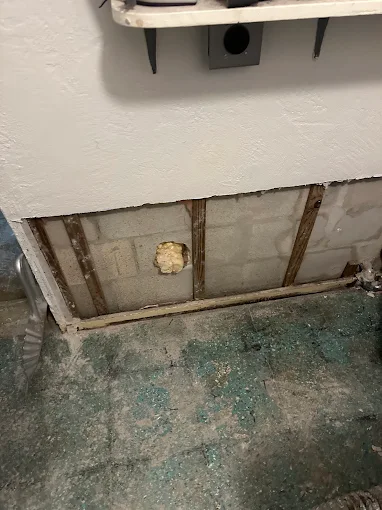
North and west of downtown, the housing stock shifts to concrete block ranch homes from the 1950s through the 1970s. These were built with block exterior walls, furring strips, and drywall fastened directly to the furring, which means there’s no stud cavity behind most exterior walls. That changes how you add an outlet, hang a heavier mirror, or open a doorway. Kitchens and bathrooms in these homes are usually original in bone structure even where finishes have been updated once or twice, and cabinets from that era are typically smaller and lower than what people want today.
Out toward Lake Mary Boulevard and the 417 corridor, the housing is newer, mostly 1990s and 2000s construction with builder-grade cabinets, laminate countertops, and carpet or sheet vinyl that’s now reached the point where it looks tired rather than functional. These homes don’t have the structural quirks of the older stock, but a couple of decades of daily use has worn through the original finishes, and a lot of owners are weighing a mid-life refresh against what the house is actually worth.
Running through all three is Sanford’s role as a rental and investment market. Between Seminole State College and the SunRail station, there’s steady tenant turnover, and Sanford has one of the highest concentrations of small investor landlords in the area. That means a meaningful share of the work here isn’t an owner-occupant renovating their own kitchen, it’s a landlord or property manager who needs a unit turned around between tenants without the schedule sliding.
Older Homes and Dated Interiors
Downtown Sanford bungalows from the 1900s to 1920s carry plaster walls, heart pine floors, and original trim that has usually been painted over a dozen times by now and needs careful repair, not replacement.
Block Construction and Interior Repairs
The 1950s to 1970s ranch homes north and west of downtown are concrete block with furring strips and drywall, which changes how a wall repair, a new door opening, or a cabinet run actually gets done.
Humidity and Exterior Wear
Sanford sits on the St. Johns River, and that humidity shows up as mildew on shaded siding, chalking paint film, and bathrooms that never quite dry out between showers.
Newer Homes and Commuter Households
Homes built since the 1990s near Lake Mary Boulevard and the 417 are mostly builder-grade finishes now a couple decades old, ready for an update that fits a working household's schedule.
In the block ranch homes north and west of downtown, kitchen layouts are often boxed in by load-bearing block walls, so a lot of the improvement comes from new cabinets, countertops, and a layout that uses the existing footprint better rather than knocking out a wall. Our kitchen remodeling in Sanford work focuses on cabinets, counters, backsplash, flooring, and lighting, with plumbing relocations handled by the licensed trade when a layout genuinely needs to change.
Original bathrooms in Sanford’s older block homes are frequently small, poorly ventilated, and finished with materials that don’t hold up to daily humidity off the St. Johns River. Bathroom remodeling in Sanford usually centers on waterproofing behind new tile, real exhaust ventilation, and updated vanities and fixtures, keeping the toilet and shower drain where the slab already has them whenever possible.
Plaster walls in the historic district take paint differently than drywall, and old patches and hairline cracking need the right prep before a new coat goes on. Our interior painting in Sanford work accounts for which surface we’re on, whether it’s original plaster downtown or drywall over furring strips in a 1960s ranch.
Sun and river humidity are hard on exterior finishes here, and homes in the historic district add another layer: color and material changes typically go in front of the Historic Preservation Board before work starts. Exterior painting in Sanford work is planned around that approval downtown, and around stucco and block prep everywhere else in the city.
In the block ranch neighborhoods, drywall is fastened to furring strips over solid block, so a repair behaves differently than it would on a stud wall, and cutting in a new opening takes more planning. Drywall repair in Sanford covers patching, texture matching, and full sections, including the plaster-adjacent repairs that come up in the older downtown homes.
Sanford’s older homes sit on slabs that were poured without a vapor barrier, and moisture coming up through that concrete is the single most common reason a flooring job fails here. Our vinyl plank flooring installation in Sanford work starts with checking the slab, which matters whether we’re covering original heart pine downtown or worn carpet near Lake Mary Boulevard.
With Sanford’s turnover between college renters and long-term tenants, cleanouts come up often, between a tenant move-out, an estate situation in an older downtown home, or simply clearing a garage that’s been filling up for years. Junk removal and property cleanouts in Sanford covers single rooms up through whole-property cleanouts for landlords and investors.
Sanford’s investor landlords need a unit cleaned and ready between tenants fast, and owners of the newer homes near the 417 often want a standing cleaning schedule for a busy commuter household. Residential cleaning in Sanford covers both, from one-time turnover cleans to recurring visits.
Permits and Approvals in Sanford
Routine interior painting and drywall patching generally don’t require a permit from the City of Sanford or Seminole County. What does trigger one is work that changes a wall opening, relocates plumbing, or alters electrical, and that permit gets pulled by the licensed trade handling that specific portion of the job. In the historic district, exterior work carries an additional layer: siding, trim, and color changes typically need Historic Preservation Board review before work begins, separate from any building permit. We don’t guess at fees or timelines here. We tell you up front which approvals your project needs and work the schedule around them.
Scheduling Work From Sanford
Sanford sits about 5.8 miles from our base in Sanford, close enough that scheduling a job here doesn’t add the lead time or travel cost that comes with projects farther out. Whether it’s a single-room repaint, a kitchen update in a block ranch, or a full turnover on a rental near the SunRail station, we can typically get a crew on site without a long wait.
Start Your Sanford Project
Whether you’re updating a bungalow downtown, repairing drywall in a block ranch, or turning over a rental near Seminole State College, call (386) 345-2852 for a free estimate on your Sanford property.