
Interior Painting in Altamonte Springs, Florida
Walk Maitland Avenue or the Cranes Roost corridor and you’re looking at three decades of condominium and apartment construction stacked block to block, most of it built between 1975 and 1995 and a large share of it owned by someone who doesn’t live in it. That changes what an interior repaint actually is here. It’s less often a homeowner picking a new color for a room they’ve lived in for years, and more often a unit that has to be patched, primed and back on the market or back on a lease in a window measured in days.
That turnover pressure is the defining fact of this work in Altamonte Springs. A property manager with a vacant unit on Wekiva Springs Road doesn’t care about the brand of paint on the can. They care whether the crew can walk in Monday, deal with whatever the last tenant left on the walls, and have it ready to show by the following week. The single family stock a few blocks off the main corridors is older still, mostly 1970s and 1980s concrete block with the popcorn ceilings that came standard on nearly everything built in that stretch, and those ceilings carry their own rule before a roller ever touches them.
If you’re staring at a unit that needs to turn fast, or a block house with ceiling texture nobody’s touched since it was built, it helps to know what actually drives the timeline and the cost before you call. Here’s what that looks like.
What drives repaint cost in a turnover unit
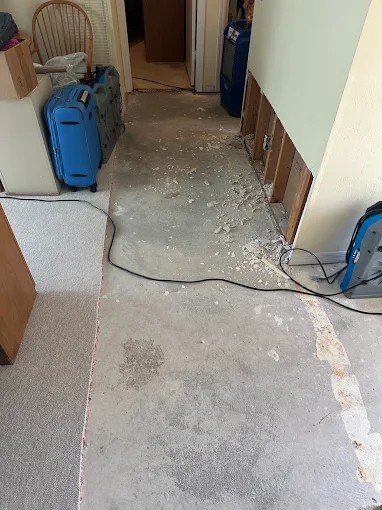
In an owner-occupied house, a repaint is mostly about color and finish. In a turnover unit, it’s about what condition the walls are in when the crew arrives, and that’s the variable that moves both the price and the schedule. Nail holes and picture hangers are nothing. Drywall dents from moved furniture, grease buildup around a kitchen doorway, crayon or marker on a kid’s bedroom wall, and smoke film on every surface in a unit where someone smoked indoors are a different job entirely, and each one needs its own fix before paint goes on.
Smoke and odor are the big one in this market because of how much of the stock turns over as a rental. Nicotine residue bleeds through standard paint no matter how many coats go on top of it unless it gets sealed first with a stain blocking primer. Skip that step to save a day and the ceiling or wall shows a yellow halo within a couple of months, right about the time the next tenant moves in and calls the property manager. The honest fix costs more up front and avoids a callback nobody wants.
Why the ceiling can't just get a coat of paint
If the building went up before the mid 1980s, and a good number of the condo and apartment stock along Maitland Avenue did, the ceiling texture gets tested before anyone disturbs it. That’s not a sales pitch, it’s the correct order of operations. A negative result means the popcorn texture gets prepped, patched where it’s loose, and painted or skim coated flat if that’s the look you want. A positive result means the material goes to licensed abatement, not to a scraper and a spray bottle, and Iron Site will say so plainly rather than quote around it.
This matters more here than it would in a neighborhood of newer construction because so much of Altamonte’s multifamily stock sits squarely in that pre-1985 window. It’s worth knowing before you set a move-out date, because testing and, if needed, abatement take time that a straight repaint doesn’t.
- Inspect the surfaces. Walls, ceilings, trim, doors and cabinets being painted in place are checked for peeling paint, cracks, stains and previous repairs. This inspection helps determine the preparation required.
- Protect the home. Furniture and belongings are moved away from work areas where possible. Floors, fixtures and surfaces that are not being painted are protected. In occupied homes, the work can be organized around access to essential rooms.
- Repair and prepare. Minor drywall damage and nail holes are patched and sanded. Gaps around trim are caulked where appropriate, and stains may require a stain-blocking primer. Bare and repaired areas are primed as needed to support an even finish.
- Apply the paint. The crew paints the agreed surfaces, including walls, ceilings, trim, doors and cabinets in place. Clean lines around ceilings, corners and trim require careful preparation and application.
- Inspect the finish. Painted areas are checked for missed spots, uneven coverage and visible defects that need attention before the space is put back into use.
The order the work actually happens in
Walls get washed or at minimum wiped down where grease, grime or smoke film is present, because paint doesn’t bond to a dirty surface no matter how many coats you add. Dents, cracks and holes get patched and sanded flush. Anything that needs stain blocking primer gets it before the finish coat, not instead of it. Ceilings get cut in with a clean line against the wall color, trim and doors get their own pass, and cabinets painted in place get degreased, scuffed and sprayed or brushed in a sequence that keeps drawer faces and doors from sticking shut before they cure. That order doesn’t change because the schedule is tight. It just happens faster when the crew has a firm date to hit.
The honest constraint
The thing most people don’t expect is that the fastest part of the job, rolling paint on clean drywall, is the smallest part of the time on site. Patching, priming stains, taping, and letting primer cure before a finish coat goes on is where the hours go, especially in a unit that’s had multiple tenants and multiple rounds of wear. A unit that looks like it just needs a fresh coat often needs two days of prep before a roller ever gets loaded, and compressing that timeline to meet a hard listing date is possible, but it means scheduling the crew around your date instead of assuming paint alone will make the deadline.
What to have ready before you call
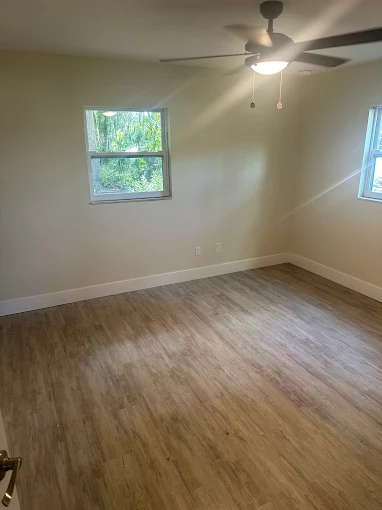
Know the unit’s approximate build year, since that determines whether the ceiling needs testing. Walk the space and note anything beyond normal wear: water stains, smoke film, pet damage, or holes bigger than a nail. If it’s a rental, have your hard move-in or listing date set so the work can be sequenced against it instead of guessed at. And if the association has rules about door colors or anything visible from a common hallway or window, check those documents before you pick a finish, since that’s the one thing interior paint in a condo can run into that a standalone house never does.
If you’re weighing this against a full renovation rather than a repaint, the interior painting service page covers the broader scope across the territory, and the Altamonte Springs page covers the other work Iron Site handles in the area, from drywall repair to flooring to full turnovers.
Getting a straight answer on your unit or your house
Whether it’s one condo off Cranes Roost that needs to turn in a week or a block house on the older side of town that’s never had its ceiling touched, the first step is the same: someone looks at the actual walls and ceilings, not a photo, and tells you what condition they’re in and what that means for time and cost.
Next step
Call (386) 345-2852 for a free estimate on your unit or your house. Tell them the build year and the turnaround you’re working against, and they’ll tell you what the walls actually need before anything gets scheduled.