
Junk Removal and Property Cleanouts in Longwood, Florida
Longwood doesn’t have one housing stock, it has three sitting a few miles apart. The frame houses around the Longwood Hotel in the historic district went up before 1920 and have a century of accumulated stuff in crawlspaces, sheds and additions. A few miles west, the custom and semi-custom homes in Sweetwater and the Wekiva area went up in the 1970s and early 1980s on large wooded lots, with cedar or T1-11 siding, sunken living rooms, and in a lot of cases, original kitchens nobody has touched since the house was built.
That mix means a cleanout here is rarely a simple one-bedroom job. It’s garages packed from a decade of storage, sheds at the back of a wooded half-acre lot that haven’t been opened in years, and attics in homes where the layout itself is older and tighter than what you’d find in a newer Sanford or Deltona subdivision. If you’re looking at a garage, an attic, a shed, a rental a tenant just left, or an entire property after a death in the family or a foreclosure, the first step is a walkthrough so the plan matches what’s actually there. Call to get that scheduled.
What Drives the Scope of a Longwood Cleanout
Tree canopy is the thing that separates Longwood cleanouts from almost anywhere else in the service area. The mature oak canopy over Sweetwater and Wekiva keeps those lots shaded and cool, which residents like the house for, but it also means more falling limbs, more leaf litter against sheds and fences, and more moisture sitting against anything made of wood that’s stored outside. Lawn equipment, wood piles, old fencing and shed contents in these neighborhoods tend to show more rot and more pest activity than the same items would in an open, sunny yard across town.
In the historic district, the driver is age and layout. Homes built before 1920 often have additions, converted porches, and storage spaces that were never meant to hold what’s in them now: furniture from three generations, boxes that have been sitting since the last move, appliances replaced but never hauled off. The volume isn’t always obvious from the street, which is why we walk the whole property before quoting instead of guessing from a phone call.
How the Job Actually Runs
We start with a walkthrough, inside and out, including the garage, attic, shed and any part of the yard that’s accumulated debris. This is where we figure out what’s trash, what’s donation-worthy, and what might need a closer look, like a water heater, appliance, or anything that looks like it could contain refrigerant or hazardous material, which changes how it’s disposed of.
From there we talk through the decision points. A single-room cleanout is a different job and a different timeline than a whole-house estate cleanout, and a shed full of decades of storage under oak trees takes longer to sort through than one that’s been maintained. Access matters too. A detached garage with a wide driveway loads out faster than an attic with a narrow pull-down ladder, and that difference shows up in the estimate. Once we agree on scope, we do the pull, sort, and haul, and leave the space swept and ready for its next use, whether that’s a buyer walkthrough, a new tenant, or just your own garage back.
How the Junk Removal Process Works
Identify the items to remove.
Walk through the property and identify the furniture, appliances, boxes, debris, and other belongings that need to go. For estate cleanouts or properties with tenant leave-behinds, confirm that you have permission to approve disposal. Set aside important documents, valuables, and personal possessions before the work begins.
Review the volume and access.
A few items near an accessible entrance require less handling than a packed attic or a shed filled with mixed belongings. Stairs, narrow doorways, long carrying distances, and limited loading access can increase the labor involved.
Confirm the estimate.
Iron Site Property Services reviews the requested work before removal begins. Explain whether the job includes a garage, attic, shed, yard debris, or multiple rooms. Additional areas or unexpected quantities can change the scope and cost.
Remove the approved belongings.
Once the scope is agreed upon, removal follows the plan. Clearly identify anything that must remain, especially when family members, landlords, tenants, or property representatives are involved.
Review the cleared areas.
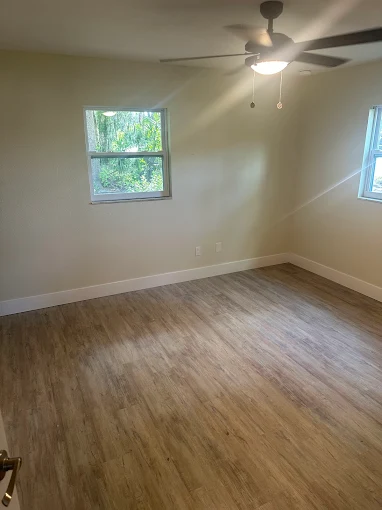
After removal, check the spaces included in the job. If you are preparing for renovation, cleaning, or a property listing, identify any remaining debris and visible damage before scheduling the next stage.
The Constraint Worth Knowing Before You Call
The honest constraint in Longwood is volume and access working against each other at the same time. The larger Sweetwater and Wekiva lots often mean more material to clear, spread across a house, a detached garage, and a shed at the back of the property, sometimes down a long gravel or grass path a truck can’t get close to. That adds labor time that a smaller, more compact lot wouldn’t require. In the historic district, it’s less about volume and more about tight, older spaces, narrow doorways, and additions that weren’t built with modern-sized furniture or appliances in mind, which can slow down the pull itself. Either way, it’s worth knowing that a Longwood estimate based on square footage alone can be misleading. The lot and the layout matter as much as the house does.
- Volume: A single-item pickup differs from clearing a full garage, attic, or house.
- Item type: Furniture, appliances, household belongings, and mixed debris may require different handling or disposal arrangements.
- Sorting: Separating items to keep from those to discard takes additional time.
- Access: Stairs, tight spaces, long carrying distances, and loading limitations can increase labor.
- Property condition: Deteriorated boxes, dusty storage areas, and moisture-affected belongings can make removal slower.
What to Look At Before You Call
Walk the property first, including places you might normally skip. Open the shed door, even if you expect it’s mostly empty. Check whether the attic access is a pull-down ladder or a hatch, since that changes how items come down. If it’s a tenant leave-behind, note anything that looks like it might have value, since that affects how we handle it. For an estate or inherited property, have a rough idea of what’s already spoken for versus what’s clearing out, so the walkthrough moves faster and the quote reflects the real job.
If you’re not sure whether something counts as junk removal or belongs with a different part of the work, like replacing rotted fascia or exterior paint once a shed or garage wall is finally exposed, that’s a normal question to bring up during the walkthrough. A lot of Longwood jobs start as a cleanout and end with a conversation about what the cleanout uncovered.
- The rooms, garage, attic, shed, or exterior areas that need clearing.
- The types and approximate quantities of items to remove.
- Any bulky furniture or appliances that require additional handling.
- Items that must stay or need to be sorted first.
- Access arrangements and your plans for the property after removal.
From Cleanout to the Next Step
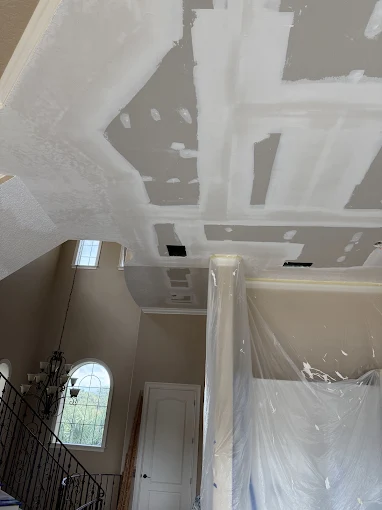
Clearing out a garage, shed or attic in Longwood often brings old damage into the light, soft fascia behind stacked boxes, a stained ceiling where a shed roof has been leaking for years, trim that’s been rotting quietly behind stored furniture. Once the junk removal and property cleanouts are done and the space is empty, you can actually see what you’re working with. That’s usually when people ask what it would take to patch drywall, repaint a garage interior, or get a rental ready to show. We can walk that with you on the spot if you want, or you can take your time and call when you’re ready.
Get the Property Walked and Quoted
If you’re looking at a cluttered garage in Sweetwater, an attic in a historic district bungalow, or an entire property after a death in the family or a foreclosure anywhere in Longwood, the next step is a walkthrough so the scope matches the actual job. We cover property services in Longwood beyond junk removal and property cleanouts as well, if the cleanout turns up work you want to talk through. Call (386) 345-2852 for a free estimate.