
Residential Cleaning in Port Orange, Florida
Port Orange runs from 1970s and 1980s block homes off Dunlawton to the newer construction in Spruce Creek and Port Orange Plantation, and the salt air coming off the coast treats every one of them the same way: faster, dirtier, and harder on surfaces than a house twenty minutes inland. A lot of these properties sit empty for months at a time while owners are up north, which means the cleaning team is often the only person who sees what humidity and salt film have been doing to a house all season.
That combination, coastal exposure plus a high share of seasonal owners, is what this page is built around. A recurring clean, a deep clean, a move-out clean and a post-construction clean are four different jobs with four different scopes, and a Port Orange house needs all of them handled differently than a comparable home in Deltona or Lake Mary would. If you are trying to figure out which one your situation actually calls for, that is the first thing worth sorting out before anyone sets a date. Call (386) 345-2852 and describe the property and how long it has been occupied, and the right scope gets built from there.
What Salt Air Does Inside a Port Orange House
Most people think of salt exposure as an exterior problem, something that chalks paint and pits metal outside. Inside a Port Orange home it shows up differently. Window tracks and sliding door tracks near the coast collect a gritty film faster than inland homes, screens corrode and shed small particles onto sills, and ceiling fan blades and light fixtures pick up a sticky dust that regular dusting does not fully lift. In homes close to Dunlawton and anything with direct exposure to onshore wind, that film builds up between visits at a rate that would be unusual twenty minutes west.
None of that is dramatic on its own, but it changes the cleaning approach. A standard duster-and-spray pass that works fine in Orange City leaves a haze behind on a Port Orange window track or a ceiling fan blade, because the residue is partly mineral and partly salt crystal, not just household dust. The cleaning team treats window tracks, screens, and fixtures as their own step rather than folding them into a general wipe-down, because skipping that step is exactly where a Port Orange clean starts to look incomplete a week later.
Recurring Cleaning for Occupied Homes
For a house that is lived in year-round, a recurring clean covers kitchens, bathrooms, floors, dusting, and the general surfaces that need regular attention. The scope and the schedule, weekly, biweekly or monthly, gets set around how the house is actually used. A retired couple in a one-story Spruce Creek home with no kids and no pets needs a different rhythm than a rental with turnover every few months.
The decision point that moves price on a recurring clean is almost always square footage combined with the number of bathrooms, since bathrooms take the most time per square foot of any room in the house. A second decision point in Port Orange specifically is whether the home has a lot of glass facing the coast. Sliding doors and large windows that catch salt spray need more frequent attention than the same square footage facing inland, and that gets built into the schedule rather than treated as a surprise add-on later.
Move-In, Move-Out, and the Seasonal Turnover
A move-out or move-in clean is a different job from a recurring clean, not a bigger version of it. It goes into cabinets, drawers, closets, behind and under appliances, baseboards, light fixtures, vents and window tracks, the places a maintenance clean does not reach because a lived-in home does not need that depth every week. Landlords and property managers turning over a rental between tenants, and realtors prepping a listing, use this scope because it is what a buyer or new tenant actually notices walking in.
Port Orange has a second version of this that matters because of how many properties here are seasonal. A snowbird home that sat closed up from spring through fall needs a turnover clean before the owner returns or before a new seasonal tenant moves in, and it is closer to a move-out scope than a recurring one. Months of trapped humidity inside a closed block home breeds mildew in bathrooms, closets and anywhere airflow was cut off, so that first clean of the season usually takes longer than people expect from a house that was technically empty and not actively getting dirty.
Recurring house cleaning
Recurring cleaning maintains a home through regular visits. It helps manage everyday dust, kitchen residue, bathroom buildup, and floor dirt before they accumulate. This option suits occupied homes that need ongoing maintenance. For Port Orange residents who commute during the day, scheduling may be arranged around working hours and agreed access arrangements.
Deep cleaning
Deep cleaning is suitable for homes that need more detailed attention than a routine visit provides. The work may include additional attention to accumulated grime, neglected corners, bathroom surfaces, and kitchen areas. The property's starting condition determines how much time is needed.
Move-in and move-out cleaning
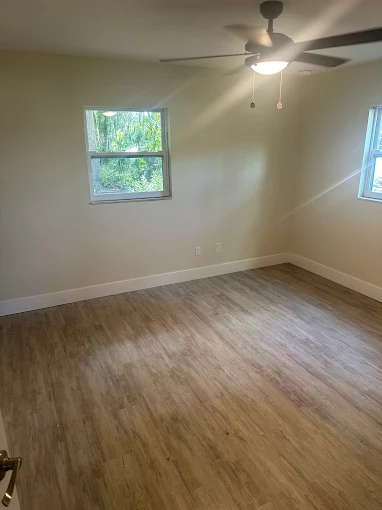
Moving creates different priorities. A departing occupant may need cleaning after furniture and personal belongings have been removed. Someone moving into an older Port Orange home may want kitchens, bathrooms, accessible surfaces, and floors cleaned before unpacking. An empty property can make some areas easier to reach, but it does not automatically reduce the workload. The condition of the rooms, fixtures, and surfaces still determines the cleaning requirements.
Post-construction cleaning
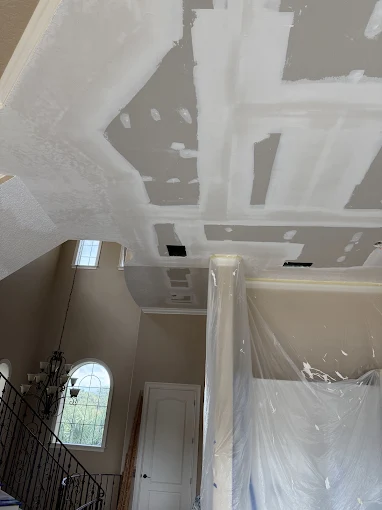
Renovation work can leave fine dust on surfaces, along trim, inside accessible cabinets, and across floors. Post-construction cleaning requires a separate assessment because the amount of dust and debris depends on the work completed. Tell the cleaning team whether renovation work has finished, which rooms are ready, and what needs attention. The scope should be agreed before scheduling.
Post-Construction Cleaning Is Its Own Scope
If a kitchen remodel, a flooring job or any interior work just wrapped up in a Port Orange home, the cleanup afterward is not a deep clean and it is not a move-out clean, it is its own category. Construction dust is fine enough to work its way into HVAC vents, blind slats, cabinet interiors and grout lines, and it does not respond to a standard vacuum-and-wipe approach. There is also usually adhesive residue, caulk haze, or light paint overspray on surfaces that were protected but not perfectly sealed during the work.
This scope gets priced and scheduled separately because it takes longer per square foot than either a recurring clean or a standard move-out clean, and because it usually needs to happen before furniture and belongings go back into the space, not after. If painting, drywall or flooring work from Iron Site’s other crews just finished in the house, lining up the post-construction clean right behind it keeps the whole project moving instead of leaving a half-finished-looking space for weeks.
The Honest Constraint: Vacant Homes Take Longer
Here is the part that catches people off guard. A homeowner calling about a property that has been closed up for four or five months during the off-season often expects a quick once-over, since nobody has been in the house making a mess. In practice, a long-vacant Port Orange home close to the coast frequently takes longer to clean than an occupied one, because trapped humidity behind closed blinds and under air conditioning that was set to a high temperature to save energy creates conditions for mildew and musty odor that an occupied, ventilated home does not develop. The first visit after a long vacancy gets treated as its own assessment rather than a standard recurring clean, and that is explained up front rather than discovered as a surprise charge later.
- Property size: Identify the number of bedrooms, bathrooms, and additional rooms requiring cleaning.
- Type of cleaning: Specify recurring cleaning, deep cleaning, move-in or move-out cleaning, or post-construction cleaning.
- Current condition: Mention accumulated dust, kitchen grease, bathroom residue, or pet hair.
- Occupancy: Explain whether the property is occupied, empty between tenants, or closed seasonally.
- Priority areas: Identify the rooms and surfaces that need the most attention.
- Schedule and access: Share your preferred timing and any arrangements needed to enter the property.
What to Check Before You Call
Before setting up a cleaning schedule, it helps to walk the house and note a few things: how long it has been since the last cleaning or the last time anyone was inside, whether there is visible mildew smell near closets or bathrooms, how many bathrooms and bedrooms there are, and whether any construction or painting work recently happened inside. If the home faces the water or sits close to it, note which windows and sliding doors get the most direct salt exposure, since that affects how those areas get scoped. Having that information ready means the first call covers the actual property instead of a generic estimate.
These details connect directly to the broader residential cleaning services across Volusia and Seminole counties that Iron Site runs, and they apply just as much to the rest of the general property services in Port Orange that come up around seasonal homes and rental turnovers in this part of the coast.
Next Step
Whether the house is occupied year-round near Dunlawton, sitting empty for the summer in Spruce Creek, or coming off a renovation in Port Orange Plantation, the scope changes based on how the house has been living, not just its square footage. Call (386) 345-2852 and describe the property, how long it has been since the last real cleaning, and what kind of visit you are picturing. The right scope, and an honest estimate, come out of that conversation.