
Residential Cleaning in Sanford, Florida
Sanford isn’t one housing stock, it’s three stacked on top of each other, and each one changes what a cleaning crew is actually walking into. A 1910 bungalow off Oak Avenue with plaster walls and heart pine floors needs a different hand than a 1965 block ranch west of downtown, and neither one cleans like a 2005 build out near Lake Mary Boulevard. Whoever is calling is usually one of three people: a homeowner in one of those older houses who wants the place kept up without damaging original surfaces, a landlord or property manager turning over a rental near Seminole State College or the SunRail line, or a seasonal owner whose property has been sitting closed up for months.
What all three have in common is that the job has to be scoped to the house, not just the square footage. A recurring clean on an occupied home is a different task than a move-out clean on an empty one, and a post-construction clean after drywall or flooring work is different again, with fine dust in places you wouldn’t expect. Figuring out which one you need, and what condition the property is actually in, is the first real decision point, and it’s worth sorting out before anyone shows up with supplies.
If you know which category your property falls into, the next step is a call to talk through the specifics and get a straight estimate.
Three housing eras, three different jobs
The historic district downtown, roughly bounded by the blocks around First Street and Park Avenue, is frame construction from about 1900 to 1925. Plaster over wood lath, original heart pine flooring, older trim profiles, sometimes original glass in the windows. These surfaces don’t respond well to being treated like drywall and vinyl plank. Plaster chips if it’s scrubbed too hard in the wrong spot, and heart pine floors need a different approach than engineered flooring does. Any exterior change on these homes goes through the Historic Preservation Board, which has nothing to do with interior cleaning but tells you how much these properties are protected as a category, and that protection mindset carries over to how the inside gets handled too.
North and west of downtown, the housing is mostly 1950s to 1970s concrete block, built the way most of pre-2000 Central Florida was built: block exterior walls, slab floors, straightforward interior layouts. These homes clean more like a standard ranch house, but the slab underneath means moisture can show up at baseboards and in closets in a way it wouldn’t in a house with a crawlspace, something worth checking during a deep clean rather than ignoring.
Out toward Lake Mary Boulevard and the 417, the stock is 1990s and newer, with larger kitchens, more bathrooms, and finishes that hold up to routine cleaning without much special handling. A recurring cleaning plan for a newer Sanford home looks close to what you’d expect anywhere in Central Florida. It’s the other two eras that change the job.
What drives the rental and turnover side of this work
Seminole State College and the SunRail station keep a steady flow of renters moving through Sanford, and that has produced one of the highest concentrations of small investor landlords in the area. A single owner with two or three rental units, not a large management company, is a common client here, and that owner usually needs a fast, reliable turnover clean between tenants rather than a recurring weekly service.
A turnover clean is closer to a move-out clean than to a regular tidy-up. Cabinets and drawers get emptied and wiped inside, appliances get pulled out and cleaned behind and under, baseboards and door frames get done, and every room gets checked against a condition standard before a new tenant sees the unit. This matters more in Sanford’s older block rentals, where years of previous tenants can leave buildup in places a light cleaning would miss, and in a unit that’s about to be shown or photographed, that buildup is the first thing a new renter notices.
Deep cleans, move-out cleans and post-construction cleans are not the same job
A deep clean is for an occupied home that needs more than its regular upkeep: baseboards, inside appliances, grout, ceiling fans, window tracks, the things a weekly or biweekly visit doesn’t reach. It assumes furniture and belongings are still in the house and works around them.
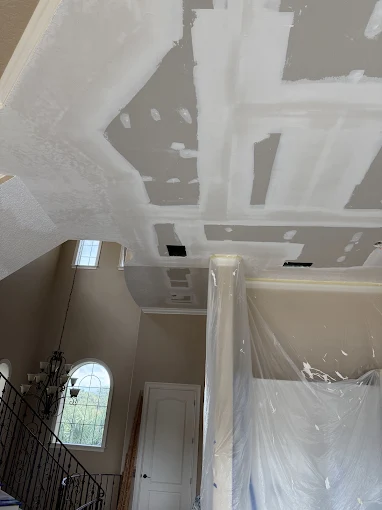
A move-out clean assumes an empty property. Every surface gets attention because there’s nothing blocking access to it, and the standard is usually higher because a landlord, buyer, or new tenant is going to inspect it closely. A post-construction clean is its own category again. After painting, drywall work, or flooring installation, there’s fine dust that settles into vents, light fixtures, window sills, and cabinet tops long after the visible mess is gone. Vacuuming and wiping down the obvious surfaces leaves that fine dust behind, and it shows up within a week as a dull film. The sequence matters: dust gets knocked down from the top of the room first, then surfaces get wiped, then floors get done last, otherwise you’re cleaning the same floor twice.
Recurring house cleaning
Recurring cleaning maintains a home through regular visits. It helps manage everyday dust, kitchen residue, bathroom buildup, and floor dirt before they accumulate. This option suits occupied homes that need ongoing maintenance. For Sanford residents who commute during the day, scheduling may be arranged around working hours and agreed access arrangements.
Deep cleaning
Deep cleaning is suitable for homes that need more detailed attention than a routine visit provides. The work may include additional attention to accumulated grime, neglected corners, bathroom surfaces, and kitchen areas. The property's starting condition determines how much time is needed.
Move-in and move-out cleaning
Moving creates different priorities. A departing occupant may need cleaning after furniture and personal belongings have been removed. Someone moving into an older Sanford home may want kitchens, bathrooms, accessible surfaces, and floors cleaned before unpacking. An empty property can make some areas easier to reach, but it does not automatically reduce the workload. The condition of the rooms, fixtures, and surfaces still determines the cleaning requirements.
Post-construction cleaning
Renovation work can leave fine dust on surfaces, along trim, inside accessible cabinets, and across floors. Post-construction cleaning requires a separate assessment because the amount of dust and debris depends on the work completed. Tell the cleaning team whether renovation work has finished, which rooms are ready, and what needs attention. The scope should be agreed before scheduling.
What a property sitting empty for months needs
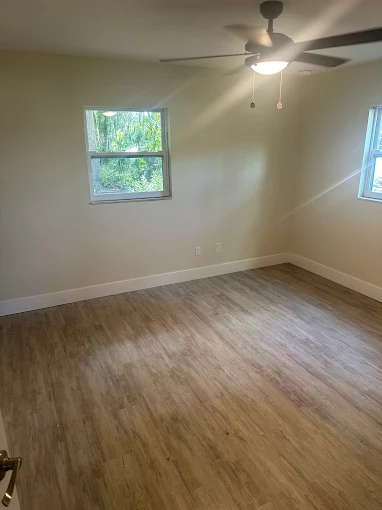
Sanford has its share of seasonal and investment properties that close up for part of the year. A house that sits with the air conditioning set high and nobody walking through it for three or four months doesn’t stay neutral. Florida humidity works on a closed house the same way it works on everything else here: dust settles into a film, closed rooms pick up a musty smell, and a light mildew haze can show up on interior surfaces, especially in bathrooms and closets with weaker air circulation. That’s not the fault of the house, it’s what happens anywhere humidity sits unmoving for long enough.
Reopening a property like that is closer to a deep clean than a routine one. Every room gets aired out and checked, surfaces get wiped down rather than just dusted, and bathrooms and kitchens get a closer look for any mildew that’s taken hold before anyone plans to spend real time in the house again. Treating it like a normal recurring visit undersells what the house actually needs after sitting closed up.
The constraint worth knowing before you call
The honest complication in Sanford is the historic district. A plaster-and-lath interior in a hundred-year-old bungalow takes longer to clean carefully than a same-sized room in a block ranch or a newer build, because the surfaces are older, sometimes original, and not forgiving of the fast, aggressive methods that work fine on modern drywall and tile. If your home is in that downtown core, expect the estimate to reflect the extra time, not because the house is larger but because the material underneath is different and worth protecting.
The other thing worth knowing: a post-construction or move-out clean on an older block or historic home almost always takes longer than the same job on a newer build, simply because there’s more trim, more texture, and more original material to work around carefully.
- Property size: Identify the number of bedrooms, bathrooms, and additional rooms requiring cleaning.
- Type of cleaning: Specify recurring cleaning, deep cleaning, move-in or move-out cleaning, or post-construction cleaning.
- Current condition: Mention accumulated dust, kitchen grease, bathroom residue, or pet hair.
- Occupancy: Explain whether the property is occupied, empty between tenants, or closed seasonally.
- Priority areas: Identify the rooms and surfaces that need the most attention.
- Schedule and access: Share your preferred timing and any arrangements needed to enter the property.
What to have ready before you call
Know roughly when the house was built, or at least which part of Sanford it’s in, since that tells us which of the three building eras we’re dealing with. Know whether the property is occupied or empty, and whether any painting, drywall, or flooring work happened recently, since that determines whether this is a recurring clean, a deep clean, or a post-construction clean. If it’s a rental turnover, know the move-out date so the cleaning can be scheduled tight against the next move-in. If you’re set on a regular cleaning plan rather than a one-time visit, our residential cleaning services page covers how recurring scheduling works, and you can see the rest of the areas we cover on our Sanford service area page.
Next step
Call (386) 345-2852 and walk through what the property is, what era it’s from, and what condition it’s in right now. That’s enough to put together a straight estimate instead of a guess, whether it’s a recurring clean on a Lake Mary Boulevard build, a careful pass through a historic district bungalow, or a turnover clean on a rental near Seminole State College.