
Residential Cleaning in Lake Mary, Florida
Heathrow, Timacuan and Magnolia Plantation were built between the late 1980s and the 2000s, which means a lot of those homes are now old enough for their first serious cosmetic turnover but still finished to a standard that assumes the cleaning keeps pace with it. A corner garden tub nobody has used in fifteen years, original granite that gets dull in the same three spots every month, and a 500 square foot kitchen with enough cabinet surface to make a once-a-month clean feel like it never actually finished the job.
That gap between how a home was built and how it’s maintained today is exactly what drives most of the calls Iron Site Property Services gets from this part of Lake Mary. Some homeowners want a recurring schedule that actually keeps up with a large footprint. Others are staging a listing, closing out a renovation, or opening a property back up after it sat empty for a season. Those are four different jobs with four different scopes, and the first step is figuring out which one you actually need.
If you know which one applies to your house, the next move is a quick call to walk through the details before anyone sets foot inside.
Recurring cleaning for executive-size homes
A lot of recurring cleaning pricing is built around square footage assumptions that don’t hold up in Heathrow or Timacuan, where a single-story home can carry the square footage of what would be a two-story build elsewhere, spread across fewer, larger rooms with more glass, more tile, and a kitchen island that alone takes longer to clean than an entire kitchen in a smaller home. A biweekly or weekly schedule gets set based on the actual floor plan, not a generic per-bedroom estimate, because a four-bedroom home with a formal dining room, a bonus room and a lanai is a different amount of work than a four-bedroom home without them.
The decision point that changes price most on a recurring schedule is interior detail work: whether the service includes the inside of the refrigerator and oven, baseboards and door frames on each visit, and whether bathrooms get a full grout and fixture pass or a surface wipe. Homes with that corner garden tub or a walk-in shower with multiple glass panels take longer per bathroom than a standard tub-shower combo, and that time gets built into the schedule rather than rushed through.
Deep cleans for dated granite, builder-grade cabinets and underused fixtures
A deep clean is the service that actually resets a kitchen or bath that’s been on a light maintenance schedule for years. Original granite from a build in the late 1990s or early 2000s often has an etched or dulled finish in the areas around the sink and stovetop from years of acidic cleaners and daily use, and bringing that back takes a different product and process than routine wiping. Builder-grade cabinetry in a 500 square foot kitchen means a lot of cabinet faces, and a deep clean addresses grease buildup at the hinges and handles that accumulates for years without anyone noticing it happening.
The garden tub is its own line item. A fixture that sees almost no use still collects mineral deposits, dust, and grime at the overflow and jets, and a deep clean is where that gets addressed properly instead of being skipped because nobody uses the tub anyway. The same logic applies to ceiling fans, baseboards, window tracks and light fixtures, all the surfaces a recurring clean maintains but doesn’t fully reset.
Move-in, move-out and post-construction cleans are a different job
A move-out clean and a post-construction clean both get lumped in with deep cleaning, and they shouldn’t be. A move-out clean on an occupied home that’s being prepared for a new owner or tenant is about erasing the previous household’s presence: every cabinet interior, every closet, appliances pulled out and cleaned behind, and a level of baseboard and wall detail that a lived-in home’s recurring clean never touches.
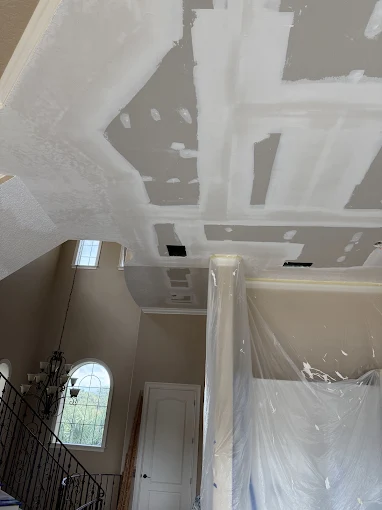
Post-construction cleaning is a different problem entirely. Drywall dust from a remodel or a kitchen refresh doesn’t stay where the work happened. It settles into cabinet interiors, gets pulled into HVAC returns, and coats light fixtures and ceiling fan blades throughout the house, not just the room that got worked on. That job usually takes more than one pass: a rough clean to clear the bulk of the debris, then a detail pass once the dust that was airborne has had time to settle again. Quoting it like a standard deep clean undersells the actual work and leaves a homeowner with a house that still reads dusty two days after move-in.
Recurring house cleaning
Recurring cleaning maintains a home through regular visits. It helps manage everyday dust, kitchen residue, bathroom buildup, and floor dirt before they accumulate. This option suits occupied homes that need ongoing maintenance. For Lake Mary residents who commute during the day, scheduling may be arranged around working hours and agreed access arrangements.
Deep cleaning
Deep cleaning is suitable for homes that need more detailed attention than a routine visit provides. The work may include additional attention to accumulated grime, neglected corners, bathroom surfaces, and kitchen areas. The property's starting condition determines how much time is needed.
Move-in and move-out cleaning
Moving creates different priorities. A departing occupant may need cleaning after furniture and personal belongings have been removed. Someone moving into an older Lake Mary home may want kitchens, bathrooms, accessible surfaces, and floors cleaned before unpacking. An empty property can make some areas easier to reach, but it does not automatically reduce the workload. The condition of the rooms, fixtures, and surfaces still determines the cleaning requirements.
Post-construction cleaning
Renovation work can leave fine dust on surfaces, along trim, inside accessible cabinets, and across floors. Post-construction cleaning requires a separate assessment because the amount of dust and debris depends on the work completed. Tell the cleaning team whether renovation work has finished, which rooms are ready, and what needs attention. The scope should be agreed before scheduling.
Seasonal and vacant-property cleaning
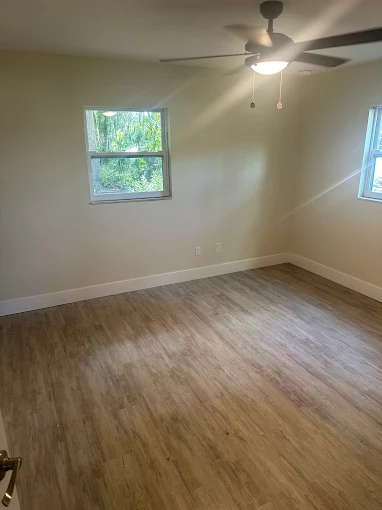
Lake Mary has its share of seasonal residents and investment properties that sit closed up for months at a time, and Central Florida humidity does not wait politely for someone to come back. A home closed up for the summer or an extended absence develops a different cleaning problem than an occupied house: musty air from low air circulation, dust that settles undisturbed on every horizontal surface, and occasionally mildew starting in bathrooms or closets where air movement is lowest. Opening a property back up calls for checking those areas specifically rather than running the standard room-by-room routine.
The honest constraint here is that a vacant-home clean takes longer per square foot than an occupied home on a recurring schedule, because nothing has been maintained in between visits and dust has had uninterrupted time to settle into fabric, vents and fixture crevices. Anyone budgeting time or money based on what a weekly service runs will need to adjust that expectation for a property that’s been sitting closed.
What actually moves the scope and the schedule
The decision points that change scope the most are: whether cabinet interiors and appliance interiors are included, whether the home has hard water staining on fixtures that needs a different product than routine cleaning, whether there’s a garden tub or oversized shower enclosure that takes extra time per bathroom, and whether the home has been recently renovated, recently vacated, or is on a steady occupied schedule. Each of those answers shifts the time on site and the approach, and getting that answer upfront avoids a mismatch between what was expected and what the job actually required.
Nearly every property in Heathrow, Timacuan and Magnolia Plantation sits inside an HOA with architectural review, which matters more for exterior work than interior cleaning, but it’s worth knowing before any exterior touch-up or paint discussion comes up alongside a cleaning conversation, since a color change there starts as a submission rather than a job. For the cleaning itself, what matters is being upfront about the home’s recent history: renovated, vacant, or lived in daily.
Before calling, walk through the house and note which rooms matter most, whether the kitchen cabinets and refrigerator interior should be part of the scope, and whether any bathroom fixtures have buildup that’s been there for a while. That’s the information that turns a phone call into an accurate scope instead of a guess. For the full range of what’s offered across the service area, the residential cleaning services page covers recurring and one-time options in more detail, and our Lake Mary service area page covers the other work done in this part of Seminole County.
- Property size: Identify the number of bedrooms, bathrooms, and additional rooms requiring cleaning.
- Type of cleaning: Specify recurring cleaning, deep cleaning, move-in or move-out cleaning, or post-construction cleaning.
- Current condition: Mention accumulated dust, kitchen grease, bathroom residue, or pet hair.
- Occupancy: Explain whether the property is occupied, empty between tenants, or closed seasonally.
- Priority areas: Identify the rooms and surfaces that need the most attention.
- Schedule and access: Share your preferred timing and any arrangements needed to enter the property.
Iron Site Property Services works out of Lake Mary, about 8.3 miles from Lake Mary, and covers Heathrow, Timacuan, Magnolia Plantation and the rest of the city on a regular basis. Call (386) 345-2852 to talk through whether your house needs a recurring schedule, a deep clean, or a move-in, move-out or post-construction job, and to get a straight answer on what that actually involves before anyone shows up.