
Bathroom Remodeling in Sanford, Florida
A bathroom in a 1915 bungalow near the historic district and a bathroom in a 1965 block ranch off French Avenue have almost nothing in common once you start opening walls, and a lot of Sanford’s bathroom calls come from people who assumed otherwise. The house decides the method before anyone decides on tile.
Sanford’s housing stock breaks into three distinct eras, and each one changes what a bathroom remodel actually involves. The downtown historic district is frame construction from roughly 1900 to 1925, with plaster over lath and wood siding, and any exterior change there goes in front of the Historic Preservation Board before a single color gets picked. North and west of downtown is concrete block built between the 1950s and 1970s, solid walls with furring strips and no cavity to run anything through. Out toward Lake Mary Boulevard and the 417 corridor, it is 1990s and newer construction with more conventional framing and more room to work with.
Add in the rental turnover pace driven by Seminole State College and the SunRail station, and Sanford probably has the highest share of small investor landlords of anywhere in the area, which means a lot of these jobs are about getting a unit back on the market fast, not picking out a dream finish. Whatever your situation, the first step is figuring out which of those three buildings you actually own, because that answer sets the whole plan. Call Iron Site Property Services at (386) 345-2852 and describe the house, and the rest of this gets a lot easier to plan around.
What a Block Ranch Bathroom in Sanford Actually Involves
If your house sits north or west of downtown and was built between the 1950s and 1970s, you are almost certainly dealing with concrete block exterior walls and possibly block interior partitions too. There is no stud cavity behind that drywall or plaster, which means there is no easy chase for new plumbing or wiring. Anything that has to move through a wall in a house like this is a bigger job than the same move would be in a stick-built house, and it is worth knowing that going in rather than finding it out mid-estimate.
The job order on a block ranch bathroom usually runs: assess what is staying and what is moving, strip to the studs or block as needed, address any plumbing relocation with the licensed trade pulling that permit, waterproof and tile, set the vanity and fixtures, then paint and trim. The decision point that moves the price the most is whether the toilet, shower and sink stay where they are or move somewhere new.
Why Fixture Placement Is the Biggest Cost Decision You Will Make
Sanford sits on slab-on-grade construction almost everywhere outside a few newer developments, and that means no basement and no crawlspace to run a new drain line from underneath. If a toilet or shower drain moves even a few feet, someone has to cut the slab, run new line, and patch the concrete back before tile ever goes down. That is the single largest cost fork in a bathroom remodel anywhere in this part of Florida, and Sanford’s mix of older block houses makes it come up constantly.
Keep the fixtures where they already sit and you are looking at a fraction of the cost and a fraction of the mess. That is not a sales pitch, it is just how the math works on a slab foundation. Iron Site Property Services will tell you straight whether your layout supports a like-for-like swap or whether you are looking at a drain relocation, and if it is the latter, that portion goes to a licensed plumber who pulls the permit for it while the rest of the job, tile, vanity, lighting, paint and trim, stays on the same schedule.
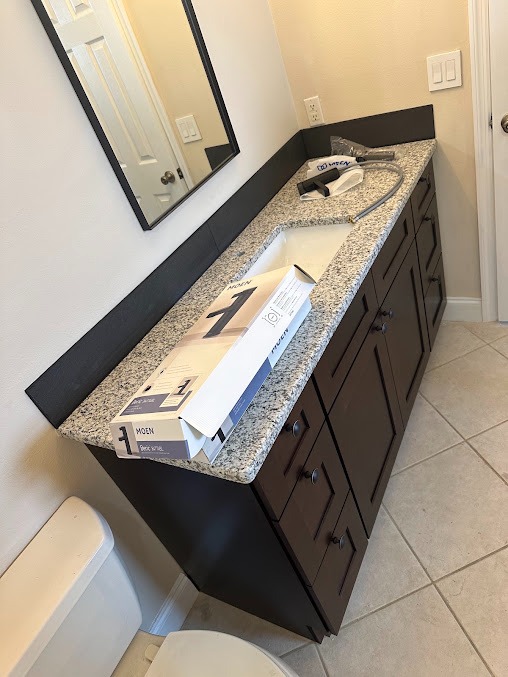
- Vanity and countertop: Replace worn cabinets and tops, confirm measurements and select finishes that fit the existing layout.
- Shower and tile: Assess the existing shower and determine whether the work is limited to finishes or requires a licensed trade to rebuild the shower pan or address plumbing.
- Flooring: Check the existing surface, prepare it appropriately and install the selected flooring.
- Drywall and paint: Repair damaged surfaces, finish patches and apply suitable bathroom paint.
- Mirrors, lighting and hardware: Install selected mirrors and cabinet hardware. New wiring or electrical changes must be handled by the appropriate licensed trade.
- Trim and final details: Install agreed trim and complete the finishing work.
The Historic District Is a Different Project Entirely
If your bathroom is in one of the bungalows or frame houses in Sanford’s residential historic district, roughly 1900 to 1925 construction, you are working with plaster over wood lath instead of drywall over block, and any exterior-visible change has to clear the Historic Preservation Board before work starts. That review step does not touch the inside of the bathroom itself, but if the remodel involves a new exterior vent, a changed window, or anything visible from the street, build that approval time into your schedule before you set a start date. Interior finish work, tile, vanity, lighting, flooring, does not usually trigger that review, but it is worth confirming before demo day rather than after.
Waterproofing and Ventilation Decide Whether This Lasts
Central Florida humidity does not care how good your tile looks. Cement board alone is not a waterproof membrane, it is a substrate, and behind-tile waterproofing is not an upgrade here, it is what keeps the wall cavity from growing mildew inside a year. The same goes for exhaust: a bathroom without a working, properly vented exhaust fan traps moisture no matter how well the shower was built, and that moisture finds the nearest piece of drywall or the nearest grout line to ruin.
On the flooring side, if your bathroom is on a slab poured before the 1980s, there is a real chance it went down with no vapor barrier underneath. Slabs in this climate take on and release moisture year-round, and that moisture is what lifts vinyl plank, curls the edges, or causes adhesive failure months after installation looks perfect. The slab gets checked for moisture before any new flooring goes over it. Skipping that step is how a brand new floor fails by next summer.
What to Check Before You Pick Up the Phone
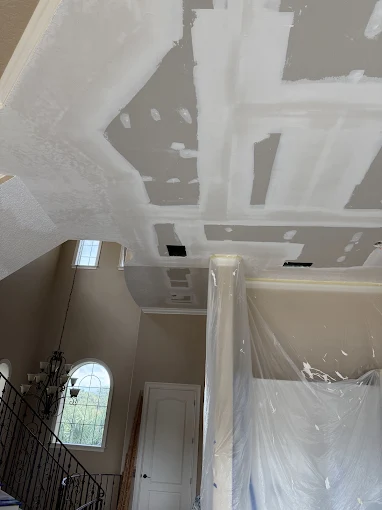
Before calling, walk your bathroom and note a few things: roughly when the house was built, whether the toilet, tub or shower drain would need to move for the layout you want, whether there is an operating exhaust fan, and whether you are seeing any soft spots in the floor or discoloration near the baseboard. If your home is older, especially block construction from before the 1980s, and any textured ceiling or wall finish is involved, that texture should be tested before anyone disturbs it, and a positive result means licensed abatement handles it, not a scraper.
If you are in the historic district, it also helps to know whether your planned changes are visible from the street, since that determines whether Historic Preservation Board review applies. And if baseboards or wall sections come off during demo in an older Sanford house, it is not unusual to find termite damage behind them. When that happens, the honest move is to stop, document it, and bring in the right trade before closing the wall back up.
The Finish Work That Makes the Difference
Once the structural and plumbing decisions are settled, the rest of the job is where the bathroom actually comes together: vanity and countertop, mirror and lighting, tile selection and layout, flooring, paint, trim, and cabinet hardware. This is the scope covered in full detail on the bathroom remodeling services page, and it is the part of the job that gets Iron Site Property Services involved from the first walk-through through the final punch list, holding the schedule together even when a licensed trade’s portion has to happen in the middle of the timeline.
Like-for-like fixture swaps, a new toilet, a new vanity faucet, a replaced showerhead, that do not move a drain or a supply line fall within that scope too. Anything that does move a line gets handed to the licensed trade for that one piece of work, and then the rest of the project picks back up without losing momentum.
- List the items you want replaced, including the vanity, countertop, shower tile, flooring, mirror, paint and trim.
- Decide whether the toilet, sink and shower will remain in their existing positions.
- Take photos of the bathroom, including visible damage and areas where mildew returns.
- Measure the room and vanity area if possible.
- Note whether the exhaust fan works and whether the room stays damp after showering.
- Gather any finish selections you have already made.
Rental Turnovers Move on a Different Clock
With Seminole State College and the SunRail station both drawing renters into Sanford year-round, a lot of bathroom work here is turnover-driven: a landlord or property manager needs a unit tile, vanity and caulk ready before the next lease starts, not a showroom finish. That work gets scoped for durability and speed rather than custom selections, and it still gets the same waterproofing and ventilation attention, because a mildew callback six months after a tenant moves in costs more than doing it right the first time.
Walk through your bathroom, note the era of the house and whether anything needs to move, and call Iron Site Property Services at (386) 345-2852 to talk through what a Sanford bathroom like yours actually needs. If you want to see the fuller scope of what gets covered on jobs like this, the bathroom remodeling page lays it out, and the Sanford page has more on the areas of town this crew works in.