
Rental and Investment Property Renovations in Volusia and Seminole Counties
The last tenant has moved out, the unit is not ready to show, and every empty week is a mortgage payment with nothing coming in. You need to know what to fix, what to leave alone, and how to get it back on the market without losing a month.
What the work looks like, in the order it happens
- Walk-through and scope. The crew goes through the unit with you and sorts every item into three piles: must fix before anyone can live there, worth doing because it supports the rent, and leave alone. The third pile is usually the one that saves the most money.
- Cleanout and demo. Left-behind furniture, damaged flooring, broken blinds and old fixtures go out first, because nothing else can start until the unit is empty.
- Drywall and ceilings. Door-knob holes, anchor holes, cracked tape joints and ceiling patches get repaired and finished. Ceiling texture gets removed or matched, depending on the scope.
- Doors, trim and baseboard. Hollow-core doors with fist holes get replaced, and baseboards get reset or swapped. This is the cheapest way to make a unit read as maintained.
- Paint. One durable color throughout is easier to touch up between tenants than a different color in every room.
- Flooring. Vinyl plank goes in after the walls are painted, so the floor stays clean.
- Kitchen and bath finish scope. Cabinet refacing or replacement, countertops, backsplash, hardware, lighting and like-for-like fixture swaps that do not move a drain or a supply line.
- Final clean and punch list. The unit gets a full cleaning and a last walk, and the small items get closed out before keys change hands.
What raises rent and what does not
An owner doing the numbers cares about the difference between a repair and an upgrade.
What usually supports the rent:
- Clean, uniform flooring throughout, with no mismatched patches
- Fresh paint in a neutral color
- Countertops and cabinet fronts that look maintained, even if the boxes are original
- Working, consistent lighting and matching hardware
- A bathroom that looks clean and tight, with fresh caulk and no stained grout lines
What usually does not pay back:
- Crown molding in a unit where the tenant is shopping on price
- Designer tile or specialty fixtures that a tenant will never notice
- Replacing cabinets that are structurally sound and can be refaced or painted
- Layout changes in a unit where the rent will not move
- A bathroom that looks clean and tight, with fresh caulk and no stained grout lines
Where the market sits matters. A duplex near Deltona and a townhome in Lake Mary draw different tenants with different expectations, so the scope should match the tenant, not the owner’s taste.
What moves the price, and why
- Whether fixtures stay where they are. Central Florida homes sit on a slab, with no crawlspace or basement. Moving a toilet, a shower drain or a kitchen sink means cutting and patching the slab. That single decision is the largest cost fork in a bathroom or kitchen. Leave the fixtures where they are and the job costs a fraction of what most owners expect.
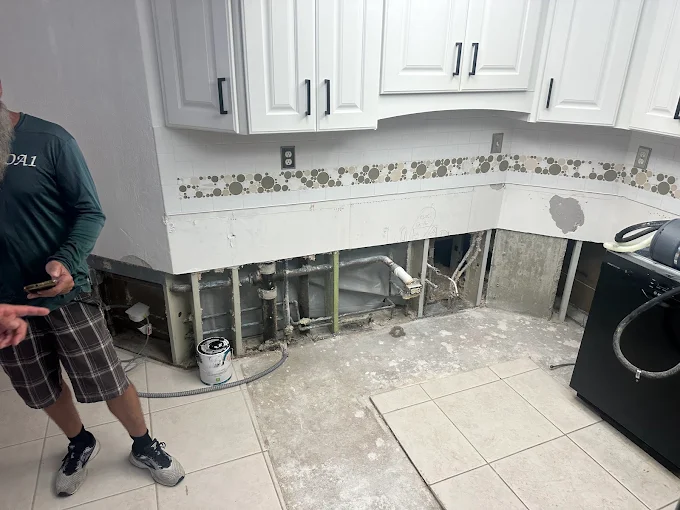
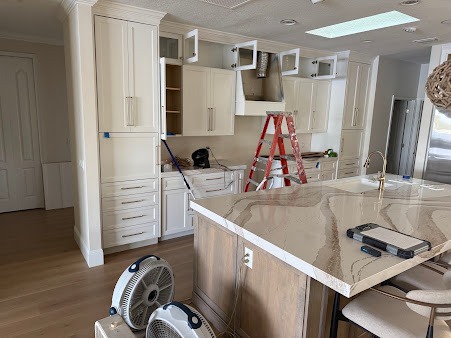
- Cabinets: reface, paint or replace. If the boxes are solid, refacing or painting the fronts and replacing the hardware covers most of the visual gap. Replacement makes sense when the boxes are swollen, delaminated or badly laid out.
- The condition of what is under the finish. A wall with three nail holes is a quick patch. A wall with a dozen repaired holes, failing tape and old texture mismatch is a drywall job. The same applies to the floor: a plank floor over a sound surface goes fast, and one over a damp or uneven slab does not.
- Ceiling texture. Popcorn ceilings are standard on Florida housing from the sixties into the eighties. Removal changes the scope, and in older units it adds a testing step first.
- How much of the unit is in play. A paint, flooring and punch list turn is a different job from a kitchen, bath and floors renovation, and each scope has its own sequence and its own downtime.
- Durability of the finish. Tenants are harder on a unit than owners are. A mid-grade durable finish that survives three tenancies is cheaper over time than a pretty one that needs replacing after one.
Doing this work on Central Florida housing
Most of the housing stock in Volusia and Seminole counties built before 2000 is block construction, not stick frame. The exterior walls are block with furring strips and drywall over them. There is no wall cavity to run new plumbing or wiring through easily, and opening a wall means something different than it does up north.
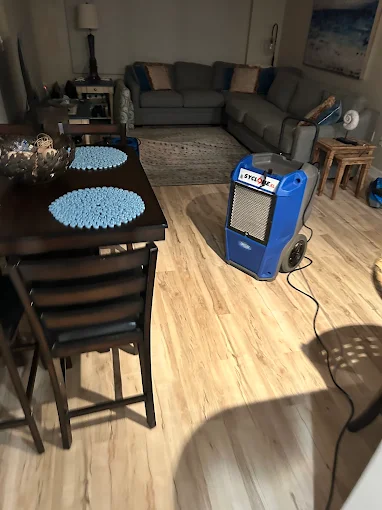
- Slab moisture. Slabs here take on and give off moisture all year, and many older ones were poured with no vapor barrier under them. That is what ruins flooring jobs in Central Florida. The slab gets checked before anything goes over it, because a floor that looks perfect on day one can cup, lift or grow mildew underneath within a season.
- Humidity. A bathroom without real exhaust ventilation grows mildew no matter how good the tile looks. Tile also needs actual waterproofing behind it, because cement board is not waterproof on its own. Rental baths are hard on ventilation, since tenants run showers with the door shut and the fan off.
- Sun. Ultraviolet is hard on exterior paint and trim here. Chalking, hairline stucco cracks, efflorescence on block and mildew on the shaded sides all show up on aging rentals, and a thin prep job fails quickly.
- Age of the stock. Across the two counties, the units range from block ranches in the sixties and seventies to subdivisions from the nineties and later. Texture, door sizes, trim profiles and finish quality all vary with the decade.
- Termites. Subterranean and drywood termites both live here. When baseboard or a section of wall comes off in an older unit, you sometimes find damage. The honest move is to stop, show you what is there, and get the right specialist in before covering it back up.
- HOAs and permits. Newer subdivisions in places like Lake Mary and Winter Springs may require architectural review before an exterior color changes. Paint and drywall generally do not need a permit, but moving plumbing, altering a wall or changing an opening does.
One thing owners get wrong about waterproof flooring
“Waterproof” vinyl plank is waterproof on the surface. It does not fix a damp slab. Moisture rising through the slab can still collect under the planks, cause adhesive failure, and leave a musty smell the tenant will notice before you do. Plank flooring is a good choice for rentals, but the slab has to be checked first.
Phasing the work between tenancies
A unit does not have to go offline for a month. Much of the interior scope can be sequenced so that the room-by-room work happens in the right order, and the licensed trades come in during the gaps. Cleanout and demo come first, then drywall and paint before flooring, then finish items, then the final clean. If the unit is occupied, the scope can sometimes be split so the exterior, the common areas or an unoccupied unit in the building go first. Tell the crew the lease dates, and the schedule gets built around them.
What to have ready before the estimate
- The lease end date, or the date the unit needs to be rent-ready
- A rough list of what you already know is wrong
- Photos of the problem areas, especially ceilings, floors and wet areas
- The approximate age of the building, if you know it
- Whether the unit is vacant, occupied or going vacant soon
- HOA contact information, if the property has one
- Any earlier inspection report or tenant move-out notes
Where the work happens
Iron Site works in both counties, from Orange City and Deltona down through Sanford, Lake Mary and Oviedo, and east to Port Orange. The full list is on the service area page.
Property managers can see how we work with management companies on our services for property management companies page.
Get the unit rent-ready
Send the address, a few photos and your target date, and request a free estimate through the site or by phone. The crew will walk the unit, sort the scope into must-fix, worth-doing and leave-alone, and give you a clear plan before any work starts.