
Door Installation and Replacement in Volusia and Seminole Counties
The door sticks every August and drags across the floor. Or the exterior slab has gone soft at the bottom edge, the finish has baked off the south side, and you can see daylight at the threshold. Either way, you need a new door hung properly, and you want to know what it involves before someone shows up with a truck.
Iron Site Property Services replaces interior and exterior doors across Volusia and Seminole counties, and sets the trim and hardware that finish the job. Here is how the work goes and what moves the price.
What the Work Is, in the Order It Happens
- Measure the opening, not the old door. Width, height, wall thickness and swing direction. Old doors get trimmed over the years, so the door tells you less than the frame does.
- Choose the unit. A pre-hung unit comes with the frame and the door already fitted. A slab-only replacement keeps your existing frame. Which is right depends on the condition of that frame.
- Remove the old door, casing and hardware. On exterior doors, this includes the threshold and any failed caulk or flashing around it.
- Check what is behind it. Jambs, the sill area, and the framing or block around the opening get looked at before anything new goes in.
- Set the new unit plumb, level and square. Shimmed at the hinges and strike so the door closes without rubbing. On exterior doors, the unit is flashed and sealed.
- Hang, adjust and fit the hardware. Hinges, locksets, deadbolts, strike plates, door stops and weatherstripping.
- Install casing and trim. New casing, caulk, filled nail holes and paint or stain so the opening looks finished, not just functional.
- Clean up and haul away. Old doors and debris leave with the crew.
What Moves the Price, and Why
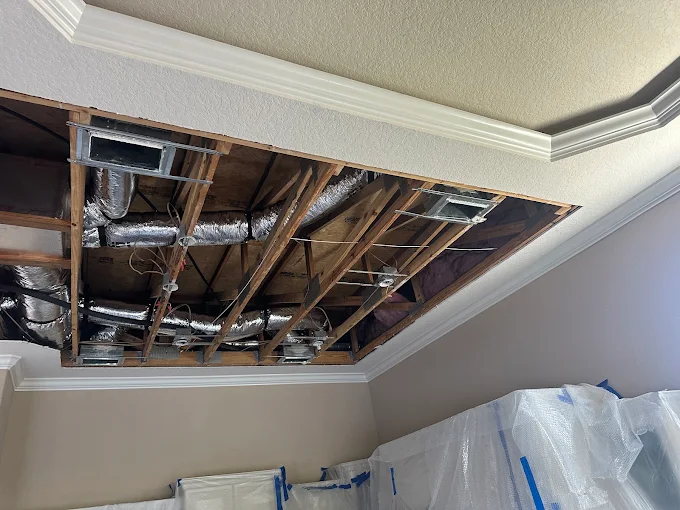
- Pre-hung unit or slab only. Reusing a sound frame costs less. If the frame is out of square, swollen or damaged, hanging a new slab in it means fighting the problem every time the door closes. Replacing the whole unit costs more up front and ends the argument.
- Interior or exterior. An exterior door has to seal against water, wind and sun. That means a threshold, flashing, sealant and weatherstripping, none of which an interior door needs.
- Material and core. Hollow-core interior doors are light and inexpensive. Solid-core doors cost more, weigh more, and stop sound and swelling better. Exterior options run from steel to fiberglass to wood, and each handles Florida sun and moisture differently.
- Size and special openings. Standard sizes fit standard openings. Oversize, double or sidelite units cost more and often need more careful handling and fitting.
- Same size opening or a different one. Putting a new door in the same opening is straightforward. Making an opening wider, taller or moving it changes the wall around it. Iron Site does not alter a wall or a structural opening. If the job needs that, a licensed trade does that portion and Iron Site handles the finish around it. That is also where a permit comes in, and the licensed contractor doing that portion pulls it.
- Trim. New casing, existing casing reused, or upgraded trim with a heavier profile all change the cost and the labor.
- Hardware. Basic passage knobs, deadbolts, smart locks and decorative pulls all price differently. Hardware that needs power or wiring beyond a battery is not something Iron Site wires.
- Paint or stain. A door can arrive primed and need a coat, or be a stained finish that has to match what is already in the house.
- Count. Replacing one door is a service call. Replacing a dozen in a rental turnover or a whole-house update is a schedule, and the per-door effort drops when everything is measured, ordered and installed together.
What Is Different About Doors in Central Florida
- Block construction. Most homes built before 2000 across Volusia and Seminole are concrete block with stucco outside. Exterior door frames in those homes are fastened to block, not nailed into studs. A pre-hung unit has to be anchored with fasteners made for masonry, and the gap between the frame and the block has to be sealed, or water finds it. That is the part most people do not expect.
- Slab on grade. There is no crawlspace or basement beneath these floors. The threshold sits on or close to a concrete slab, and that slab holds moisture. A wood sill or a poorly sealed threshold will wick that moisture up and rot from below. Floor height matters too. If you plan to put LVP flooring down, the finished floor can be higher than the old one, and the door needs room to swing over it.
- Humidity. Wood interior doors swell in Central Florida summers and shrink in winter. A door that binds from June to September and rattles in January is behaving normally, and it is the reason solid-core and properly sealed doors hold up better here than thin, unfinished ones. All six sides of a wood door, including the top and bottom edges, need to be sealed, because the edges are where the moisture gets in.
- Sun and salt. Ultraviolet light bakes exterior doors, and dark colors on south and west faces take the worst of it. Finishes fade, crack and peel faster than people expect. Toward the coast around Port Orange, salt air speeds up corrosion on cheap hinges and hardware. Door material, finish and hardware should match the exposure on that side of the house.
- Termites. Both subterranean and drywood termites are common here. When old casing and a door frame come off, hollow or crumbling wood sometimes shows up behind them. If that happens, the work stops on that opening and you see what was found. Treatment is a pest control company’s job, not Iron Site’s, and the damaged wood is repaired before a new door goes back in.
- Age of the housing stock. Sanford, DeBary, Deltona, Orange City and Port Orange have a lot of homes from the 1970s through the 1990s, with original frames that have been painted over many times. Newer subdivisions in Lake Mary, Oviedo and Winter Springs often have wind-rated entry doors and uniform trim packages. Both situations are common, and the approach differs.
- Wind and impact ratings. Exterior doors, especially large glass or patio units, may be subject to wind-load or impact requirements depending on the location and what is being replaced. Check with your local building department. If a rating is required, the door has to meet it before anything gets ordered.
One Thing Most People Believe That Is Wrong
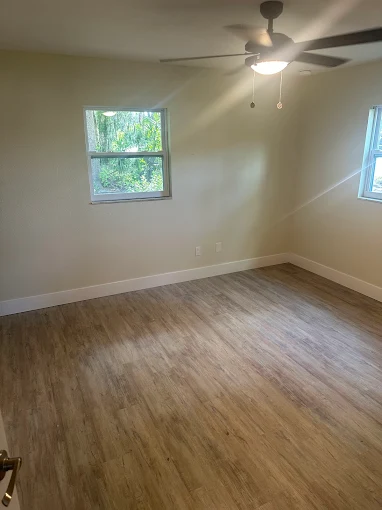
Most people think replacing an exterior door means replacing the door. In most cases the door is the least of the problem. Water gets in around the frame and under the threshold, not through the slab itself. A new door hung in a frame that has already absorbed moisture, or in an opening with failed flashing, will leak and swell the same way the old one did, only now you have paid for a new door. That is why the frame and the sill get checked first, and why a pre-hung unit sometimes costs less in the long run than a slab swap.
What to Have Ready Before the Estimate
- Which doors. A list or a quick walk-through of every door you want replaced.
- Photos of the problem. Gaps, rot, daylight at the threshold, rubbing on the jamb, or a cracked panel.
- The door style you want. A photo, a brand you have seen, or a description works. If you do not know yet, say so and talk through options.
- Who has to approve it. If you are in an HOA, exterior door colors and styles often need approval first. Parts of Lake Mary, Heathrow, Winter Springs and Oviedo do.
- Floor plans. If LVP flooring or other floor work is coming, tell us, so the door and floor heights work together.
- Access. Clear the path to each door and note any pets.
- Rental timelines. For landlords, property managers and realtors, the move-out and move-in dates drive the schedule.
Where the Work Gets Done
Iron Site is based in DeBary and installs doors throughout Volusia and Seminole counties. The service area page shows the full list of cities we cover.
Get an Estimate
Send us the list of doors and a few photos through the contact page to schedule a free estimate. We will look at the openings, check the frames, and give you a straight answer on what the job takes.
Frequently Asked Questions
Can you replace just the door and keep my frame?
Yes, if the frame is sound, square and dry. If the frame has rot, swelling, or damage around the sill, a whole new pre-hung unit is usually the better call.
Can you make my doorway wider or move a door?
Iron Site does not alter walls or structural openings. If that is what the job needs, a licensed trade handles it, and the licensed contractor doing that portion pulls the permit. Iron Site then handles the trim, paint and finish around it.
Do I need a permit to replace a door?
It depends on what changes. Replacing a door in the same opening generally does not trigger one. Changing the size of the opening does. Your local building department is the authority on this, and the answer can vary between Volusia County, Seminole County and the cities in each.
Why does my interior door stick only in summer?
Humidity. Wood absorbs moisture and swells, then dries and shrinks. Sealing all edges and choosing a solid-core door helps, and sometimes the hinge side just needs adjusting.
What if you find termite damage when the old frame comes off?
The work on that opening stops. You see what was found, a pest control company deals with the termites, and the damaged wood gets repaired before the new door goes in.
Can you install a barn door or a closet door conversion?
Yes. Barn door hardware, bifold and bypass conversions, and standard closet doors are all part of the work. Barn door tracks need to be anchored into solid framing or backing, which gets checked first.
Do you handle the paint and trim too?
Yes. Casing, baseboard returns, caulk, and painting or staining the door and trim are part of a finished installation.
Can you do a rental turnover with multiple doors?
Yes. Landlords, property managers and realtors can schedule several doors alongside paint, flooring and cleaning, so the unit is ready on a set date.