
Handyman and Property Repairs in Volusia and Seminole Counties
The short version
The short version
- Walk-through. Every item gets written down room by room, with photos, so nothing depends on memory. The things people have stopped noticing, like the cabinet door that hangs crooked, usually end up on the list.
- Sorting. Each item is sorted into work Iron Site does and work that belongs to a licensed trade. Plumbing, electrical, roofing and HVAC go to those trades. The rest stays on one schedule.
- Materials. Matching matters more than people expect. Trim profiles, hinge finishes, door hardware and caulk color are sourced once, so the repair does not look like a repair.
- Repairs, in a sensible order. Carpentry and wood replacement come first, then drywall patching, then caulking, then paint touch-up, and hardware last. Doing it in that order keeps fresh paint from being scuffed by the next task.
- Final walk. The list is checked off item by item with you, the property manager or the listing agent.
Typical items on a list like this:
- Doors that rub, stick or will not latch, including hinge, strike plate and frame adjustments
- Rotted or damaged trim, fascia boards and door casing, cut out and replaced
- Loose railings, handrails and stair balusters
- Failed caulk at tubs, windows, doors and exterior trim joints
- Cabinet hardware, closet shelving, towel bars, curtain rods and mounted items
- Minor carpentry, including patched and rebuilt sections of trim and small framing repairs that are not structural
- Drywall holes, dings and cracks, patched and finished to be paint-ready
- Interior door replacement and touch-up painting
- Like-for-like faucet and fixture swaps on existing supply lines, with nothing moved
Anything that involves new wiring, a ceiling fan or light fixture swap, relocated plumbing or a changed opening goes to the licensed trade that does it. Where a permit is required, the licensed contractor doing that portion pulls it. Iron Site handles everything around that work and keeps the schedule together.
The decision points that move the price
- How many items, and how spread out. Ten repairs in one room are far cheaper per item than ten repairs across ten rooms, because setup, material runs and cleanup are shared.
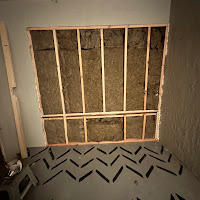
- What is behind the visible damage. A soft baseboard might be a bad board or it might be a leak, an irrigation overspray problem or termite damage behind it. You do not know the scope until the piece comes off.
- Whether the material can be matched. A current-stock baseboard is quick. A crown profile from a 1970s house may need to be built up from stock pieces or milled, and that takes more time.
- Height and access. Fascia, soffit-adjacent trim and second-story exterior trim need ladders or staging. Exterior work behind shrubs, fences or screen enclosures takes longer to reach.
- Occupied or vacant. A vacant rental lets the work run continuously. An occupied home means furniture moved, work stopped for pets and kids, and dust controlled.
- Whether a licensed trade is needed. If an item turns out to be plumbing or electrical, that portion is priced by that trade separately.
- Paint. A small patch can require repainting an entire wall to avoid a visible square, especially on older, sun-faded paint.
A free estimate is the way to get real numbers on your own list.
What is different about this work in Central Florida
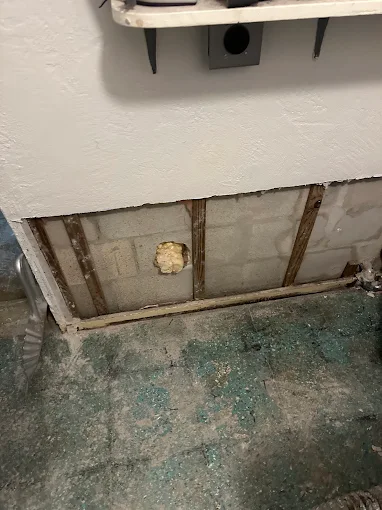
- Block walls change how things get fastened. Most pre-2000 homes across Volusia and Seminole are block with stucco outside and furring strips and drywall inside. Handrails, grab bars, shelving brackets and exterior fixtures need masonry anchors set into solid block, not hollow cores or drywall alone. A railing screwed into drywall will pull out the first time someone leans on it.
- Slab on grade shapes door and floor problems. There is no crawlspace and nothing under the house to settle. A door that suddenly binds is usually humidity swelling the slab or the wood, a frame that has shifted slightly, or hinges that have worked loose. Those are different fixes, so the cause gets checked before the door gets planed.
- Humidity eats wood from the bottom. Baseboards, door casings and bottom door rails sit where moisture collects, and they fail first. Bathrooms with weak exhaust fans and closets against an exterior block wall are common culprits.
- Sun destroys caulk and exterior wood. Ultraviolet cracks caulk and dries out trim faster here than most people expect. Shaded sides grow mildew, and sunny sides check and peel. Exterior trim that was painted but never primed on the cut ends is where rot usually starts.
- Termites are part of the job. Subterranean and drywood termites are both common across the two counties. When trim comes off an older house, damage is sometimes behind it. If that happens, the work stops, you see it, and a pest control company evaluates it. Iron Site does not treat for termites. Repairs resume once that is sorted out.
- Older housing stock has its own quirks. Parts of Orange City, Deltona, Sanford and Port Orange have housing from the 1960s and 70s with trim profiles and door sizes that are no longer standard. Newer subdivisions in Lake Mary, Oviedo and Winter Springs often have HOA rules that cover exterior paint and sometimes trim colors, so check before any exterior color changes.
Rotten trim is usually not the problem
Most people assume that replacing a rotted board fixes the situation. It does not if the water keeps coming. If the board rotted because a sprinkler head hits the wall, gutters overflow, or a window is not sealed, the new board rots in a couple of years. Part of the job is looking at why the board failed and fixing that, whether it is a redirected sprinkler, a new caulk joint, a slope at the bottom edge or a primed cut end. Fixing only what you can see is the cheaper job today and the more expensive job later.
What to do before the estimate
- Walk the house with a pad and write down everything, including small items. It is cheaper to bundle them now than to call back later.
- Take photos of anything that looks like water damage, soft wood or staining.
- Note which items you suspect involve plumbing or electrical so they can be routed correctly.
- Check whether your HOA requires approval for exterior color or trim changes.
- If this is for a sale, move-out or turnover, tell us the deadline so the order of work can be planned around it.
- Know where the water shutoffs are, and clear access to the areas to be worked on.
Where the work gets done
Getting a house ready to list, or a unit ready for the next tenant? See our pre-listing repairs for realtors and services for property management companies.