
Junk Removal and Property Cleanouts in Volusia and Seminole Counties
How a cleanout runs, start to finish
Most jobs follow the same order, whether it is one couch or a whole house.
- You tell us what is there. Photos and a short description are enough for most single-room and small jobs. Larger jobs get a walkthrough.
- We agree on what stays and what goes. Anything you want kept gets set aside or marked before work starts. On estate and tenant jobs, the person with authority over the property decides, and we ask that this be settled before the crew arrives.
- The crew protects the path out. Floors, door frames and corners get covered where it matters. Furniture and appliances come out through the tightest doorways in older houses, so the route is planned before anything is lifted.
- We sort as we load. Usable items are separated from true debris so donation-quality furniture and household goods are not buried under trash. Metal and appliances are kept apart from general waste.
- We haul and dispose. Everything leaves the property the same day the work is done. Disposal goes to county-approved sites, not a vacant lot.
- We sweep and walk the space with you. The area is left broom-clean, and you see it empty before we call it finished.
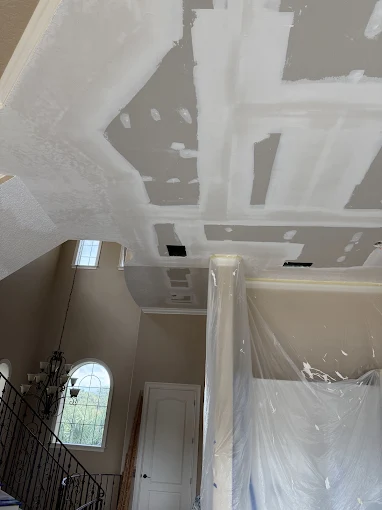
That final walkthrough is also where cleanouts turn into the next job. An empty room shows the wall damage, stained ceiling, worn trim and tired flooring that were hidden behind the stuff. Iron Site handles painting, drywall repair and vinyl plank flooring, so one crew can take a space from full to ready.
What moves the price
- Volume. The truck space the load takes up is the biggest single factor. Disposal is charged by weight and volume, so a pile that looks small can still be a full load.
- Weight and material. Wet cardboard, old tile, plaster debris, solid wood furniture and appliances weigh far more than they look. Weight drives disposal cost and the number of people needed to move it safely.
- Access. A first-floor garage with a wide door is a different job from a third-floor condo with a narrow stairwell. Stairs, long carries, gated communities with delivery windows and tight hallways all add labor time.
- Sorting required. If the crew can load everything as it comes, the job is fast. If boxes of papers, mixed donation items and trash are intermixed, someone has to handle each piece, and that takes hours.
- Items that need special handling. Appliances with refrigerant, mattresses and electronics are handled differently at disposal sites, and some sites charge more for them.
- Condition of the property. A tidy overfull garage is one thing. A property with heavy accumulation, spoiled food, pet waste or biohazard conditions needs more protective gear and more time, and some conditions fall outside what we do.
- Timeline. Same-week requests and move-in deadlines limit scheduling. A flexible date gives us room to fit your job around others on the route.
Doing this work in Central Florida houses
- Block construction. Most homes built before 2000 in Volusia and Seminole counties are concrete block with stucco outside and furring strips and drywall inside. When boxes and furniture have sat against an exterior wall for years, the drywall behind them is often the first place moisture shows up. We see staining, soft spots and mildew at the base of those walls when furniture comes away. That is not a surprise to us, and it is not a reason to panic, but it is worth knowing before you plan the next step.
- Slab on grade. There are no basements or crawlspaces here, so everything stored below attic level sits on a floor slab in direct contact with the ground. Cardboard, books, fabric and upholstered furniture stored in a garage or closet on a slab absorb moisture year round. Items that look fine on top are often ruined on the bottom, and that changes what is worth donating versus hauling.
- Attics. A Central Florida attic in July is brutal. Heat degrades plastics, adhesives, photographs, vinyl records and anything with a battery. Items that were stored there for a decade are often brittle, warped or fused together. Crews also work in attics with blown insulation and low rafters, which limits how much can come out through the hatch at one time and how fast.
- Humidity and mildew. Sheds, garages and closets without airflow grow mildew on stored fabric and paper in a way that dry-climate cleanouts rarely see. Mildewed items cannot be donated, and they go in the load.
- Termites and pests. Subterranean and drywood termites are active in this region. When stored items come off a wall or a shed floor, we sometimes see mud tubes, frass or damaged baseboard. If we see it, we stop, photograph it, tell you plainly what we found, and suggest you call a pest control company before any repair or paint work begins. We do not treat for termites.
- Yard debris and storms. After a heavy rain or windstorm season, tree trimmings, fence sections and wet debris pile up fast. Wet yard material is heavy, so a pile that looks like a few bags can still be a significant load.
- Age of the stock. The range across Volusia and Seminole is wide, from 1960s block ranches in Deltona and Orange City to newer subdivisions in Lake Mary, Oviedo and Winter Springs. Older houses tend to have narrower doors, steps at entries and detached sheds. Newer ones usually have attached garages and wider access but may have HOA rules about when dumpsters and trailers can be on site.
What we do not take
- Paint, stains, solvents and thinners
- Pool chemicals and fertilizers
- Gasoline, propane tanks and other fuels
- Car batteries and large lithium batteries
- Medical waste and sharps
- Anything that appears to contain asbestos
What to have ready before the estimate
- Photos from the doorway. Take a wide shot of each space and a few close-ups of anything large, heavy or unusual.
- A list of what stays. Tape, tag or photograph anything you want to keep.
- Access details. Note stairs, narrow doors, gate codes, HOA move rules, parking limits and elevator reservations.
- Where the property stands. Tell us if it is occupied, vacant, listed, tenant-vacated or part of an estate.
- Who can authorize the work. For estate, foreclosure and tenant jobs, we need to know who can sign off on what is removed.
- Your deadline. A closing date, a move-in date or a landlord inspection changes how we schedule.
- Anything you suspect is hazardous. Tell us before we arrive so the crew is prepared.
Where we work
Iron Site is based in DeBary and serves homes, rentals and commercial spaces across Volusia and Seminole counties, from Orange City and Deltona through Sanford, Lake Mary and Oviedo to Port Orange. The service area page shows every community we cover and links to the city pages for local details.
Clearing a home before it goes on the market, or between vacation rental bookings? See pre-listing repairs and cleanouts for realtors and vacation rental and Airbnb turnovers.
Get your estimate
Send photos of the space and a note about your timeline through the estimate form on this page, or call us. We will respond with what the job looks like, what will affect the price, and the earliest day the crew can get it cleared.