
Bathroom Remodeling in Volusia and Seminole Counties
What the work is, in the order it happens
- Walkthrough and scope. Someone looks at the room, opens the vanity doors, checks the fan, presses on the floor near the toilet and tub, and asks what bothers you most. The scope gets written around what stays and what changes.
- Protection and demo. Floors and hallways get covered, then the vanity, old flooring, mirror, lighting and any tile coming out are removed.
- What the open walls show. This is where surprises appear: soft drywall, old moisture staining, termite damage behind a baseboard. We cover below what happens when something turns up.
- Licensed trade work, if the job needs it. Moving a drain, relocating a supply line, rebuilding a shower pan or running new wiring belongs to a licensed plumber or electrician. They do that portion, and where a permit is required, they pull it. Iron Site does not do this work and does not pull permits.
- Wall prep and waterproofing. Drywall is repaired or hung, and the waterproofing system behind the tile goes in and gets checked before any tile is set.
- Tile and flooring. Wall tile, floor tile or vinyl plank goes down over a properly prepared surface.
- Vanity, top, mirror, lighting and hardware. Vanities and tops are set, mirrors hung, and fixtures swapped like for like where the existing supply lines and drains stay in place. Lighting goes where wiring already exists. New wiring goes to a licensed electrician.
- Paint, trim, punch list and cleanup. Paint, baseboard and caulk lines are finished, the list of small items is closed out, and the room is cleaned.
The decisions that move the price
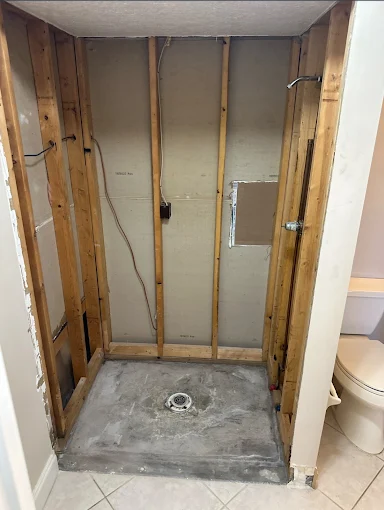
- Do the fixtures stay where they are? This is the biggest fork. Houses here sit on a slab with no crawlspace or basement. Moving a toilet, a shower drain or a vanity sink means cutting the concrete, rerouting the pipe and patching the slab. Leave the fixtures where they are and the job costs a fraction of what most people expect.
- Tub or shower. Swapping a tub for a walk-in shower usually means a new shower pan and new drain geometry. That is licensed trade work, and it adds scope and days.
- Shower pan and curb. Rebuilding a pan is a different job from re-tiling the walls. Whether the existing pan is sound decides which one you are buying.
- Tile size and layout. Large format tile needs a flatter surface, and patterned or small tile takes more setting time. Prep time also changes with how out of plane the old walls are.
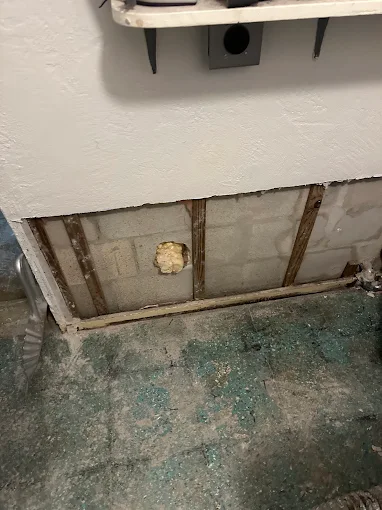
- What is behind the walls. Soft drywall, old leaks or insect damage add repair work. This cannot be priced exactly until the wall is open, which is why good estimates describe the unknowns instead of hiding them.
- Vanity choice. A stock vanity and top set quickly. Custom sizing, unusual tops or a wall-hung unit add fabrication and fitting time.
- Flooring and the slab under it. Moisture in the slab can change what goes down and how. More on this below.
- Ventilation. A fan that actually moves air, vented outside, may need duct work or electrical changes. That part goes to the licensed trade, and it is worth budgeting for.
What is different about bathrooms in Central Florida
- Block walls. Most houses built before 2000 across Volusia and Seminole counties are concrete block with furring strips and drywall over them. There is no hollow cavity to run new plumbing or wiring through. That is another reason leaving things in place keeps jobs simple.
- Slab on grade. Everything sits on poured concrete. Tub drains, toilet flanges and shower drains are cast into or under it. Anything that moves means cutting the floor.
- Slab moisture. Concrete slabs here take on and give off moisture all year, and many older slabs were poured with no vapor barrier under them. That is the single thing that ruins flooring in Central Florida. Vinyl plank, tile adhesive and floor leveling all behave differently over a damp slab, so the slab gets checked before anything goes over it.
- Humidity. Waterproofing behind tile is not optional here. A bathroom without real exhaust ventilation grows mildew behind and above the tile no matter how good the finish looks. The fan needs to vent outdoors, not into the attic.
- Termites. Subterranean and drywood termites both live here. When a baseboard or a section of wall comes off in an older house, you sometimes find damage. When we do, work stops on that section, you see it, and the scope is adjusted. Active infestation gets handled by a pest professional before finish work goes back over it.
- Older materials. In homes built before the mid 1980s, ceiling texture, old vinyl flooring and the adhesive under it can contain asbestos. Anything suspect gets tested before it is disturbed. A positive result means licensed abatement, not a scraper and a spray bottle.
The misconception about cement board
Many people believe that tile over cement board is a waterproof shower. It is not. Cement board holds up when wet, but it does not stop water. Water passes through grout lines and the board itself, and it keeps going until it reaches framing, drywall or the slab edge.
The waterproofing is a separate membrane system applied over the board, or built into the wall assembly, before the tile goes up. If that layer is missing or has gaps, the tile can look perfect for a year or two while the wall behind it stays wet. In a humid climate that is where mildew and rot start. When you compare estimates, ask what the waterproofing system is and where it stops and starts.
What to have ready before the estimate
- Photos of anything that worries you: stains, soft spots, cracked grout, lifted floor edges.
- A rough idea of what stays. Are you keeping the tub, the toilet position and the vanity location?
- Whether the fan works and where it vents, if you know.
- The age of the house, if you have it.
- Any past leaks or repairs in this bathroom.
- Your HOA contact, if you have one, in case interior work needs notice or approval for deliveries and access.
- Your goals in plain terms: lighter, easier to clean, safer to step into, or just not leaking.
Where this work gets done
Where the work gets done
Send photos or ask for a free estimate through the site at www.ironsitepros.com, or call to set a walkthrough. Tell us what stays and what bothers you most, and you will get a straight answer on the scope.